
Built to endure.
Built to endure.
Built to endure.
A Texas ranching legacy set within the Sierra Madera impact crater.
A Texas ranching legacy set within the Sierra Madera impact crater.
A Texas ranching legacy set within the Sierra Madera impact crater.
A Texas ranching legacy set within the Sierra Madera impact crater.
The Story of Sierra Madera
The story of
Sierra Madera
The Story of
Sierra Madera
Tough country.
Tough country.
South of Fort Stockton, La Escalera stretches across Pecos and Brewster counties in one unbroken piece of land. The ranch has been in the Lyda family since 1992 and is run with a simple approach: take care of the cattle, take care of the land, and leave things better than you found them. Cowboys work horseback and helicopters are used to help gather cattle across the wide country.
South of Fort Stockton, La Escalera stretches across Pecos and Brewster counties in one unbroken piece of land. The ranch has been in the Lyda family since 1992 and is run with a simple approach: take care of the cattle, take care of the land, and leave things better than you found them. Cowboys work horseback and helicopters are used to help gather cattle across the wide country.
Improvements are practical and long-term, built to keep the ranch productive while protecting the land that surrounds it. At the center of this country stands Sierra Madera, a rare 100-million-year-old impact crater rising from the desert floor. Across the ranch runs the historic Comanche Trail, worn into the land long before fences or roads. What began here long ago continues today.
Improvements are practical and long-term, built to keep the ranch productive while protecting the land that surrounds it. At the center of this country stands Sierra Madera, a rare 100-million-year-old impact crater rising from the desert floor. Across the ranch runs the historic Comanche Trail, worn into the land long before fences or roads. What began here long ago continues today.
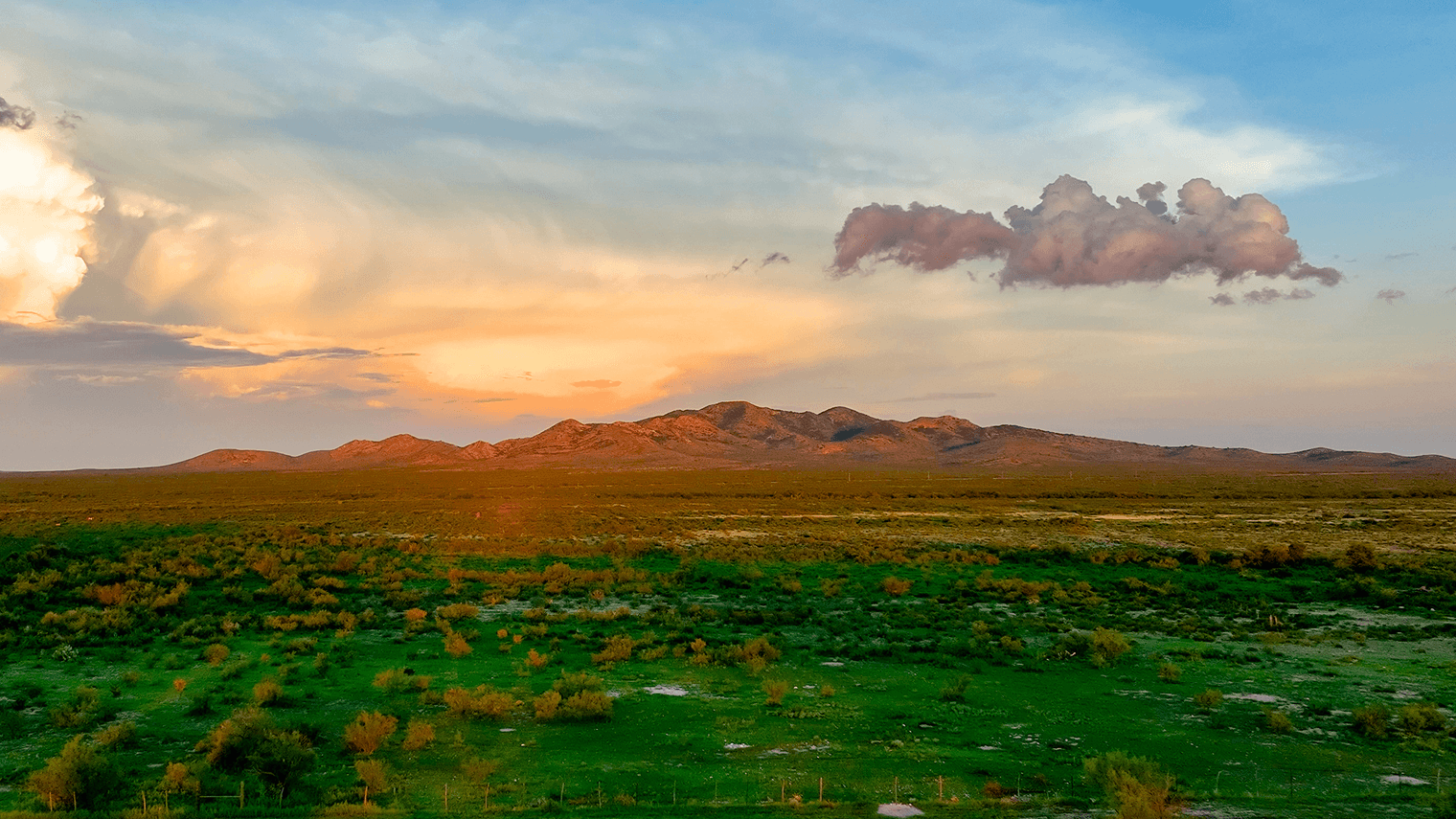
Sierra Madera Astrobleme on La Escalera Ranch
Sierra Madera Astrobleme on La Escalera Ranch
Preserve the Sierra Madera Astrobleme.
Preserve the Sierra Madera Astrobleme.
Sierra Madera is the result of an ancient asteroid impact that reshaped this part of West Texas during the Cretaceous period, roughly 100 million years ago. The collision forced deep limestone and underlying geologic strata upward, creating the prominent central uplift that still rises from the valley floor today—an unmistakable feature visible for miles.
The blast fractured the surrounding rock and pushed older formations to the surface, leaving behind shatter cones, breccias, and other impact features still visible across the landscape. The crater spans roughly 8 to 10 miles in diameter, with its structure preserved in a way that is increasingly rare. Unlike many impact sites that are buried or eroded beyond recognition, Sierra Madera remains clearly legible from both the ground and the air and is recognized as one of the most intact exposed astroblemes in North America.
Its structure has drawn scientific attention for decades, offering a clear window into subsurface formations that would otherwise remain hidden. The basin forms a natural valley where water settles and grasses take hold. Mineral-rich soils, shaped over time by the uplift and fractured limestone, help support the grasses that sustain our cattle. What began as a violent event long ago now forms the quiet country where La Escalera carries on its work.
It’s a landscape worth protecting.
Sierra Madera is the result of an ancient asteroid impact that reshaped this part of West Texas during the Cretaceous period, roughly 100 million years ago. The collision forced deep limestone and underlying geologic strata upward, creating the prominent central uplift that still rises from the valley floor today—an unmistakable feature visible for miles.
The blast fractured the surrounding rock and pushed older formations to the surface, leaving behind shatter cones, breccias, and other impact features still visible across the landscape. The crater spans roughly 8 to 10 miles in diameter, with its structure preserved in a way that is increasingly rare. Unlike many impact sites that are buried or eroded beyond recognition, Sierra Madera remains clearly legible from both the ground and the air and is recognized as one of the most intact exposed astroblemes in North America.
Its structure has drawn scientific attention for decades, offering a clear window into subsurface formations that would otherwise remain hidden. The basin forms a natural valley where water settles and grasses take hold. Mineral-rich soils, shaped over time by the uplift and fractured limestone, help support the grasses that sustain our cattle. What began as a violent event long ago now forms the quiet country where La Escalera carries on its work.
It’s a landscape worth protecting.

Next stop: West Texas
Next stop: West Texas
Next stop: West Texas
Next stop:
West Texas
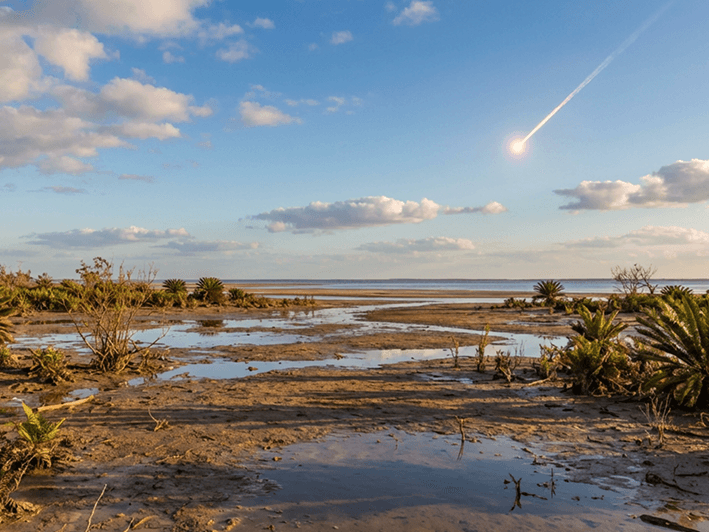
Cretaceous period - 100M years ago
Cretaceous period - 100M years ago
Cretaceous period - 100M years ago
Cretaceous Period
100M years ago
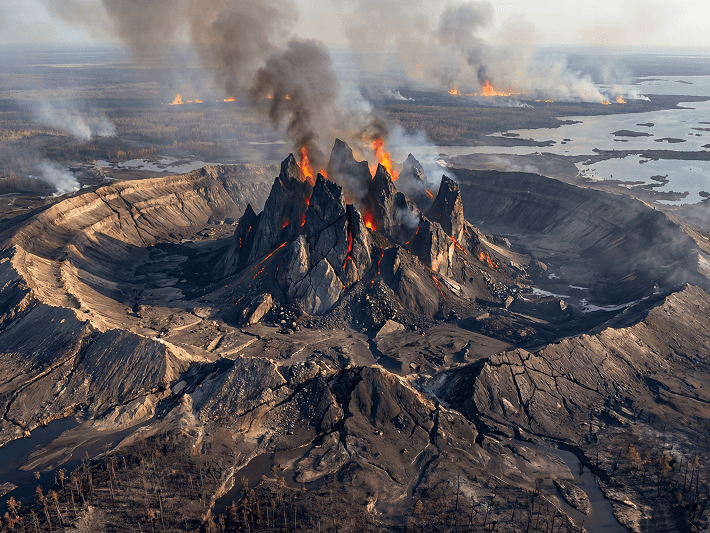
Sierra Madera Astrobleme - 8 mile diameter
Sierra Madera Astrobleme - 8 mile diameter
Sierra Madera Astrobleme - 8 mile diameter
Sierra Madera Astrobleme
8 mile diameter
Next stop:
Next stop:
West Texas
West Texas
Sierra Madera Astrobleme - Cretaceous Period
Sierra Madera Astrobleme - Cretaceous Period
Sierra Madera Astrobleme - Modern Day
Sierra Madera Astrobleme - Modern Day
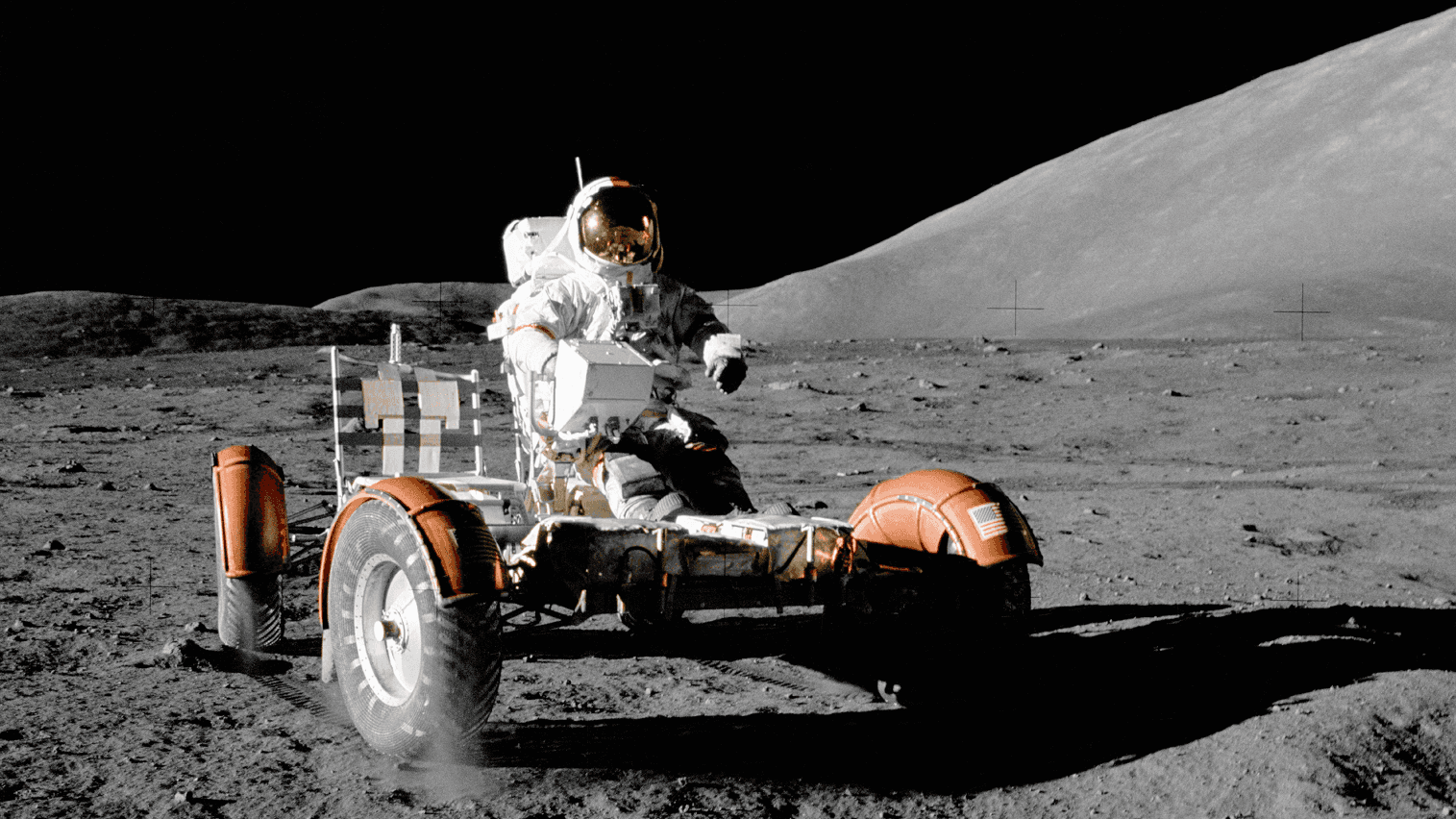
Before Apollo 17 drove the Moon, NASA crews trained at Sierra Madera
Before Apollo 17 drove on the Moon, NASA crews trained at Sierra Madera
Before Apollo 17 drove the Moon, NASA crews trained at Sierra Madera
Lunar rover was field tested at La Escalera
Before Apollo 17 drove the Moon, NASA crews trained at Sierra Madera
Before Apollo 17 drove on the Moon, NASA crews trained at Sierra Madera

Neil Armstrong examines a sample
from the Sierra Madera impact crater
Neil Armstrong examines a sample
from the Sierra Madera impact crater
Neil Armstrong examines a sample
from the Sierra Madera impact crater
Neil Armstrong examines a sample
from the Sierra Madera impact crater
Neil Armstrong examines a sample
from the Sierra Madera impact crater
Neil Armstrong examines a sample
from the Sierra Madera impact crater

One giant leap for West Texas
One giant leap for West Texas
One giant leap for West Texas
One giant leap for West Texas
One giant leap for West Texas
One giant leap for West Texas
The crater that prepared astronauts for the Moon.
The crater that prepared astronauts for the Moon.
The crater
that prepared astronauts for the Moon.
In the 1960s and early 1970s, NASA and the U.S. Geological Survey brought Apollo astronauts to West Texas for field geology training. Sierra Madera drew particular interest because of its exposed impact structure, central uplift, and fields of shatter cones. Astronauts studied these formations to learn how to recognize impact-altered rock and identify meaningful samples.
As part of their West Texas field training, Apollo astronauts also operated the Lunar Rover within the Sierra Madera basin. The crater’s fractured slopes and exposed rock created a rugged proving ground for navigating terrain similar to what crews would encounter on the Moon.
In the 1960s and early 1970s, NASA and the U.S. Geological Survey brought Apollo astronauts to West Texas for field geology training. Sierra Madera drew particular interest because of its exposed impact structure, central uplift, and fields of shatter cones. Astronauts studied these formations to learn how to recognize impact-altered rock and identify meaningful samples.
As part of their West Texas field training, Apollo astronauts also operated the Lunar Rover within the Sierra Madera basin. The crater was a proper proving ground for navigating terrain similar to what crews would encounter on the Moon.

The Comanche Trail crossed through Sierra Madera
Historic route through Sierra Madera
The Comanche Trail crossed through Sierra Madera
The Comanche passed through
La Escalera.
The Comanche walked here.
The Comanche Trail runs through La Escalera as part of a vast network once used to move across West Texas, New Mexico, and into Mexico. Through Sierra Madera, the route followed natural contours and water sources, tracing rivers that once flowed more freely and supported sustained passage across the region.
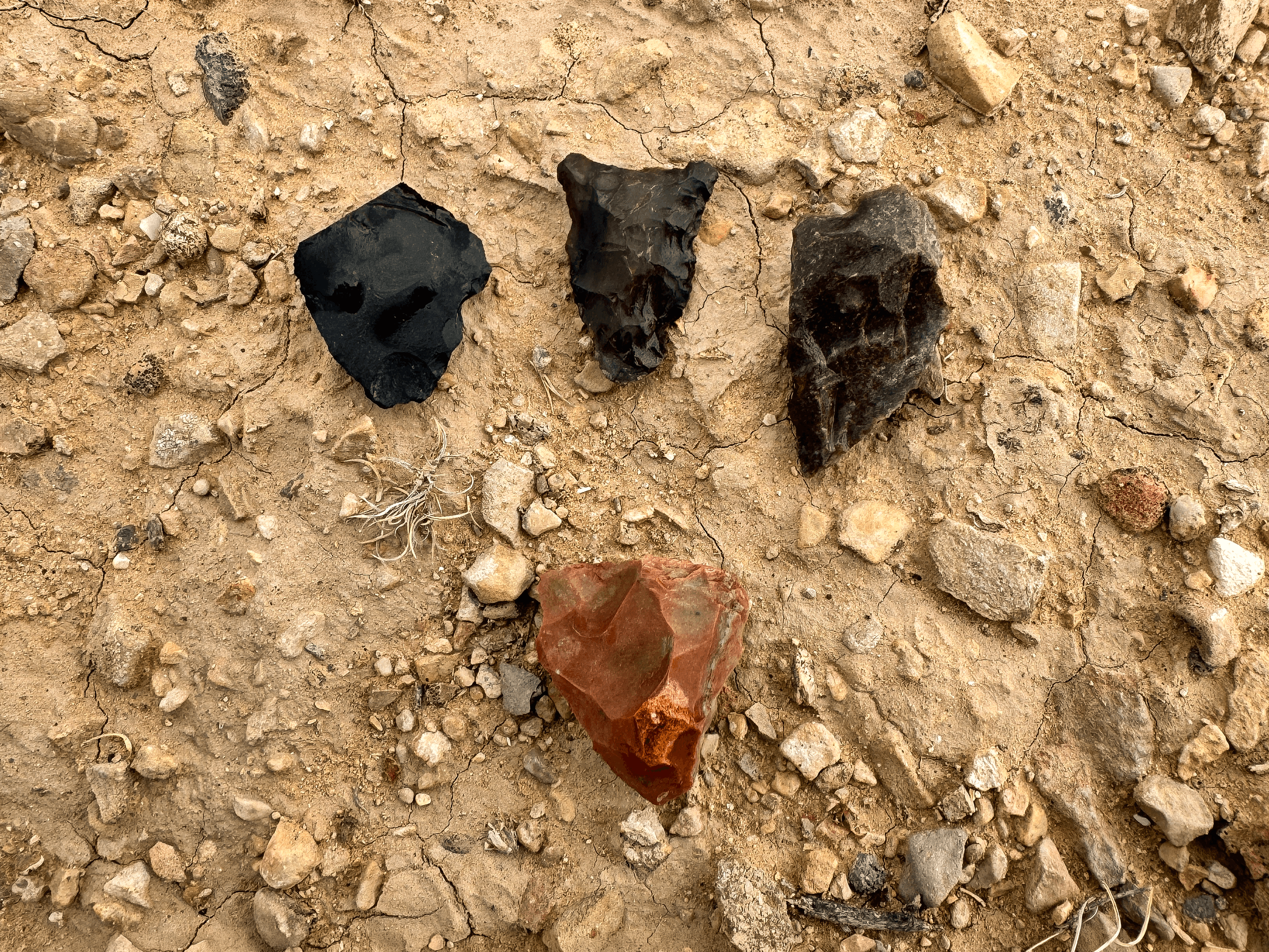
Across the crater, evidence of this movement remains. Earth ovens, often called burn piles, are scattered throughout, marking repeated campsites where Comanche meals were slow-cooked. Arrowheads continue to surface across the Sierra Madera basin, quiet traces of a passage carried through time.
Arrowheads at La Escalera
Arrowheads at La Escalera
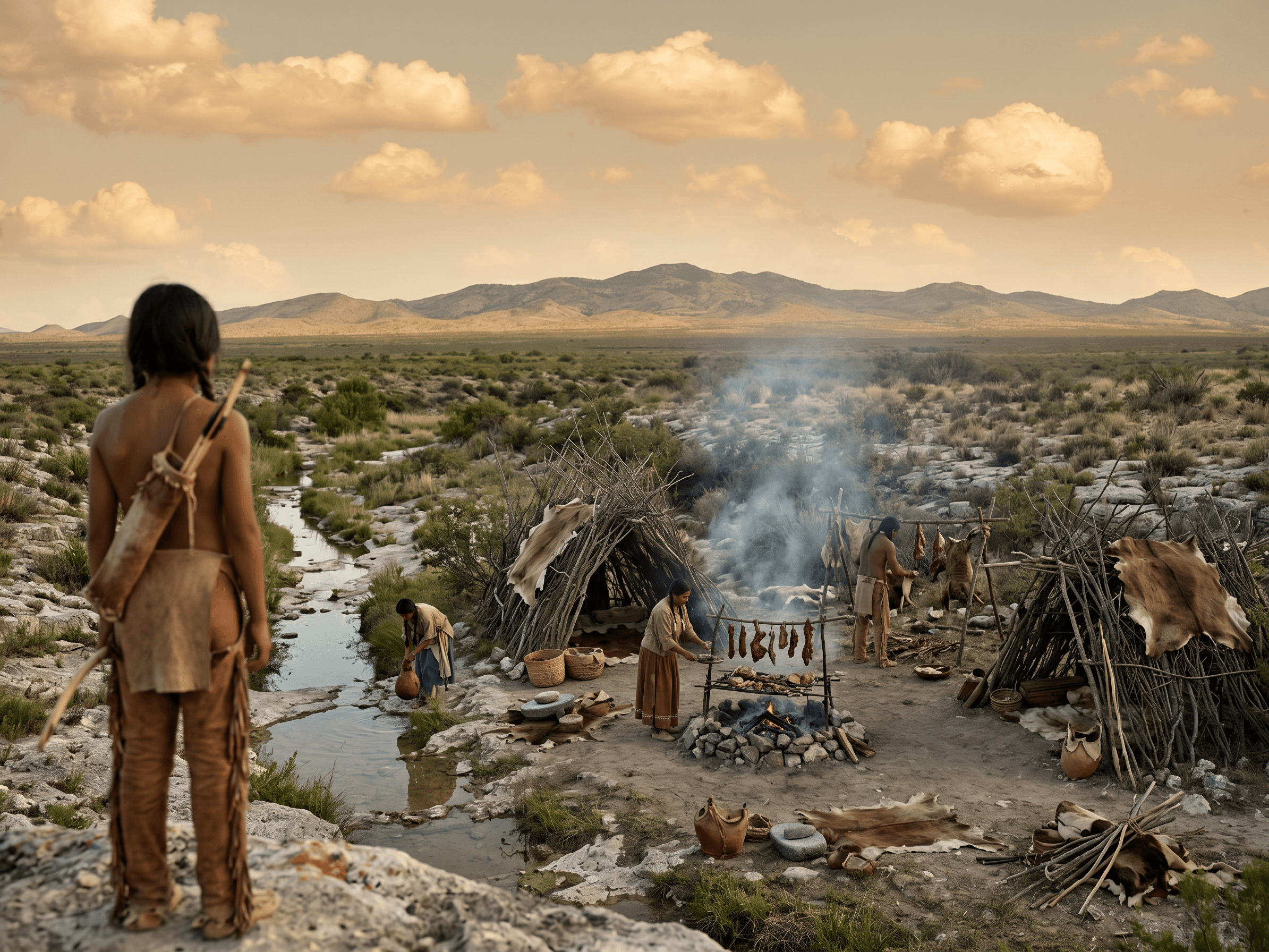
Life on the Comanche Trail
Life on the Comanche Trail
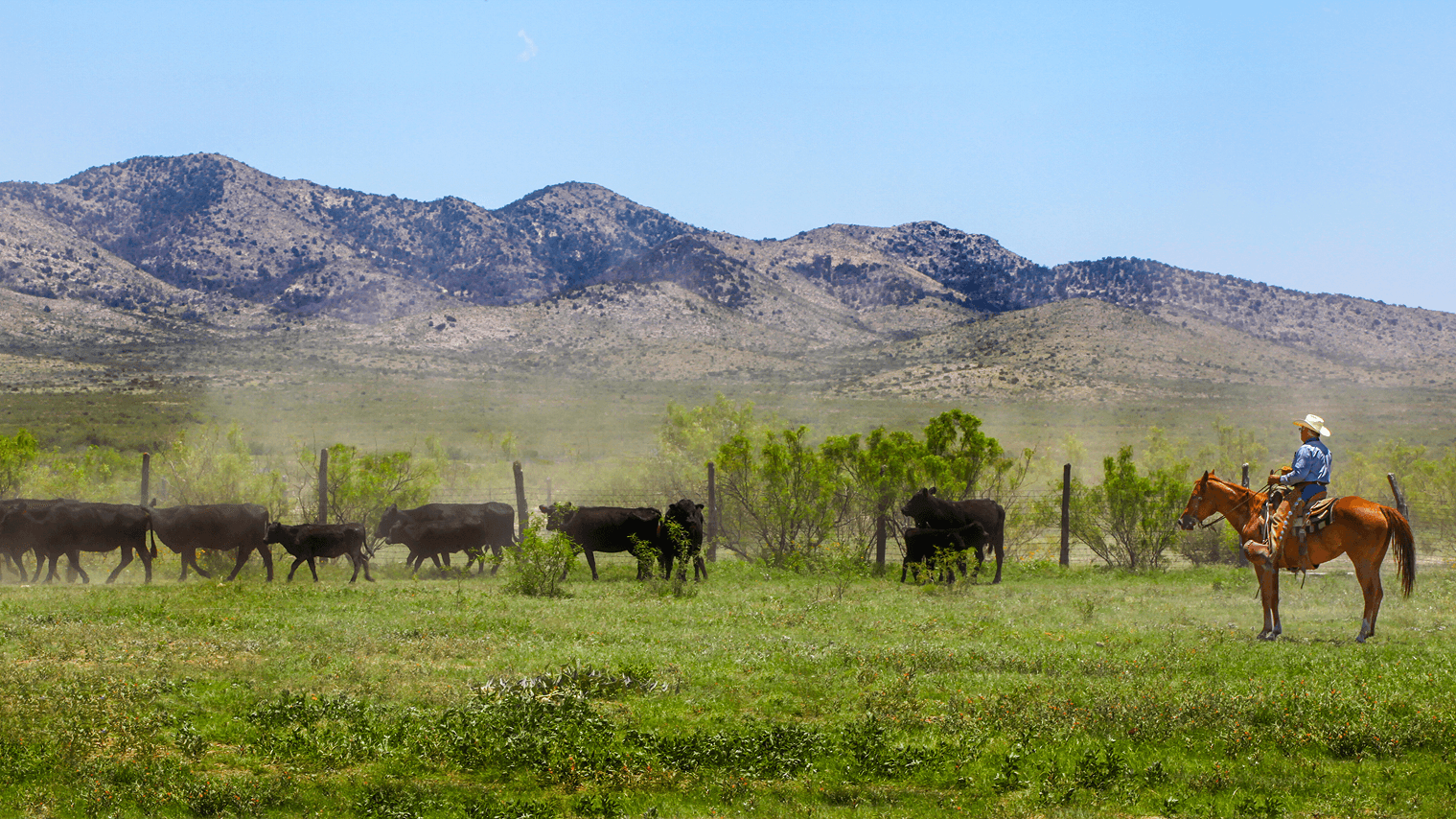
Gene Lyda Works cattle in the Sierra Madera Astrobleme
Gene Lyda works cattle in the Sierra Madera Astrobleme
Gene Lyda Works cattle in the Sierra Madera Astrobleme
Working cattle at Sierra Madera
Gene Lyda Works cattle in the Sierra Madera Astrobleme
Gene Lyda works cattle in the Sierra Madera Astrobleme
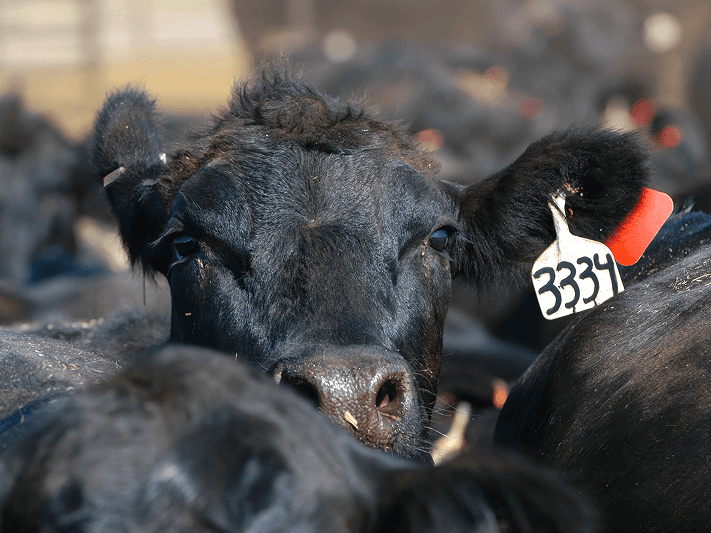
Black Angus cattle at La Escalera
Black Angus cattle at La Escalera
Cattle
Cattle
La Escalera Ranch runs a reputation herd of Black Angus cattle managed through Lyda Cattle Co. under Gene Lyda. The program focuses on low-stress handling and consistent herd management suited to West Texas conditions.
Each fall the cattle are worked with the ranch veterinarian and sorted by age and calving window so buyers know what they’re getting. Pens and feedlot facilities are built for efficient, humane operation, supporting a program focused on herd health and practical ranch management.
A fundamental part of ranching is producing quality forage for the cattle. Across La Escalera, a variety of grasses support the ranch’s Black Angus herd and help maintain its reputation for consistency. The ranch’s farming operations focus on improving grazing capacity and producing feed crops that support the herd and help ensure cattle are delivered to buyers in strong condition.
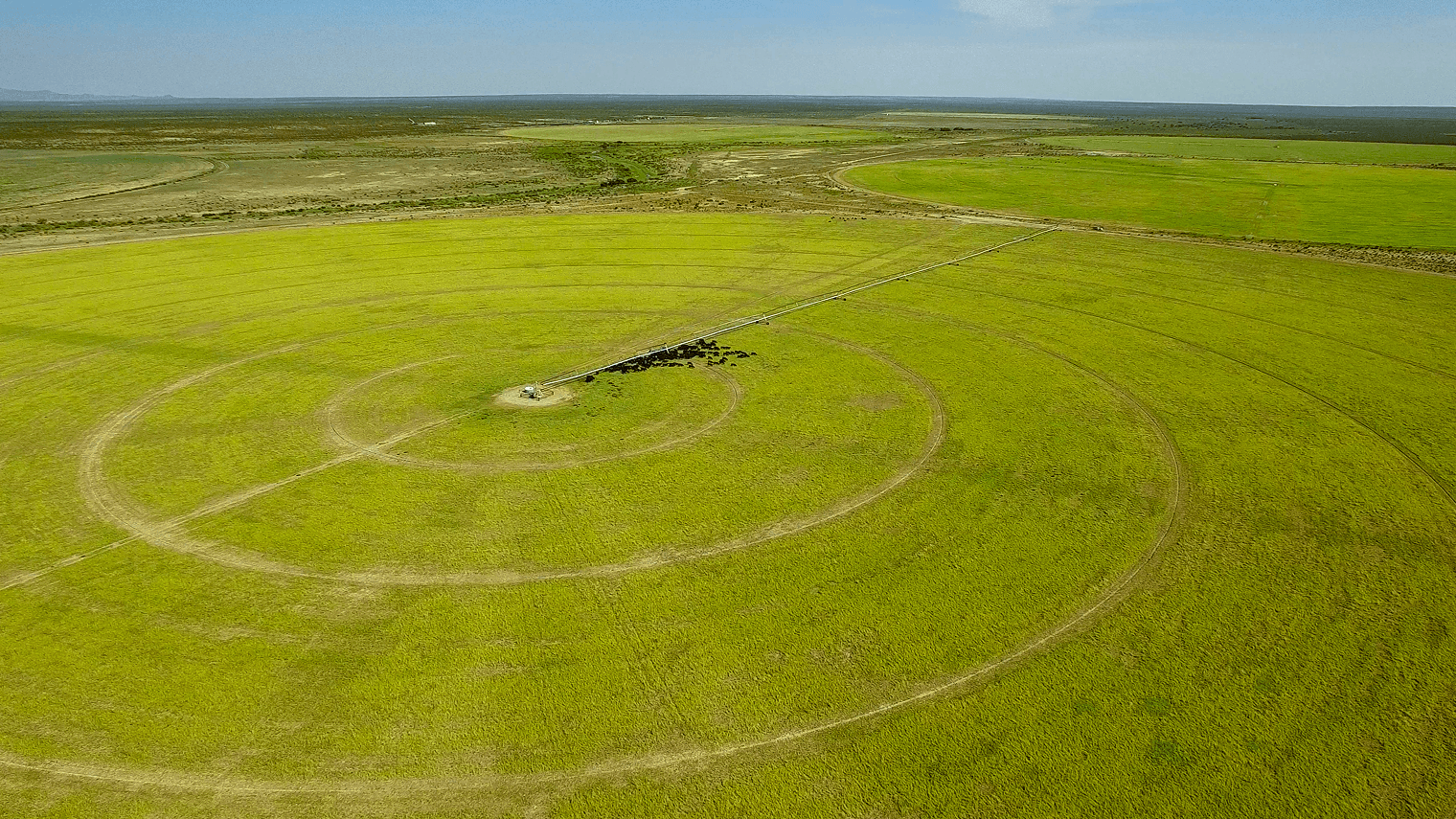
Center-pivot irrigation at La Escalera
Center-pivot irrigation at La Escalera
Center-pivot irrigation at La Escalera
Center-pivot irrigation at La Escalera
Pivot irrigation at La Escalera
Center-pivot irrigation at La Escalera
Farming
Farming
A fundamental part of ranching is producing quality forage for the cattle. Across La Escalera, a variety of grasses support the ranch’s Black Angus herd and help maintain its reputation for consistency. The ranch’s farming operation focuses on improving grazing capacity and producing feed crops that support the herd and help ensure cattle are delivered to buyers in strong condition.
A fundamental part of ranching is producing quality forage for the cattle. Across La Escalera, a variety of grasses support the ranch’s Black Angus herd and help maintain its reputation for consistency. The ranch’s farming operation focuses on improving grazing capacity and producing feed crops that support the herd and help ensure cattle are delivered to buyers in strong condition.
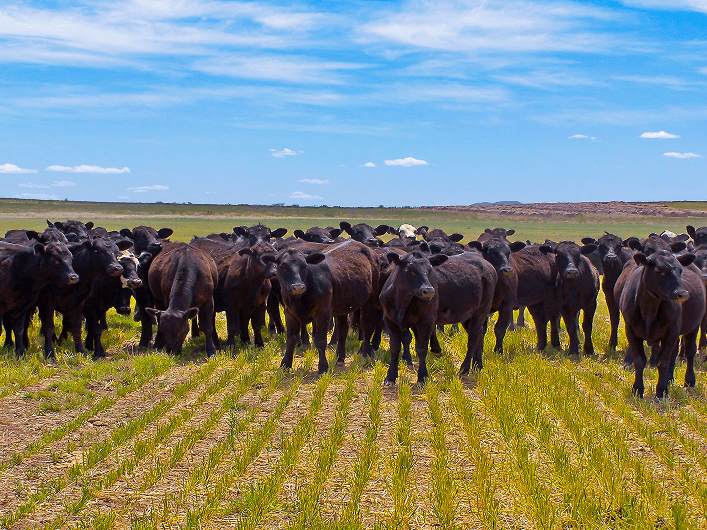
Black Angus at the Farm
Black Angus at the Farm
Black Angus at the Farm
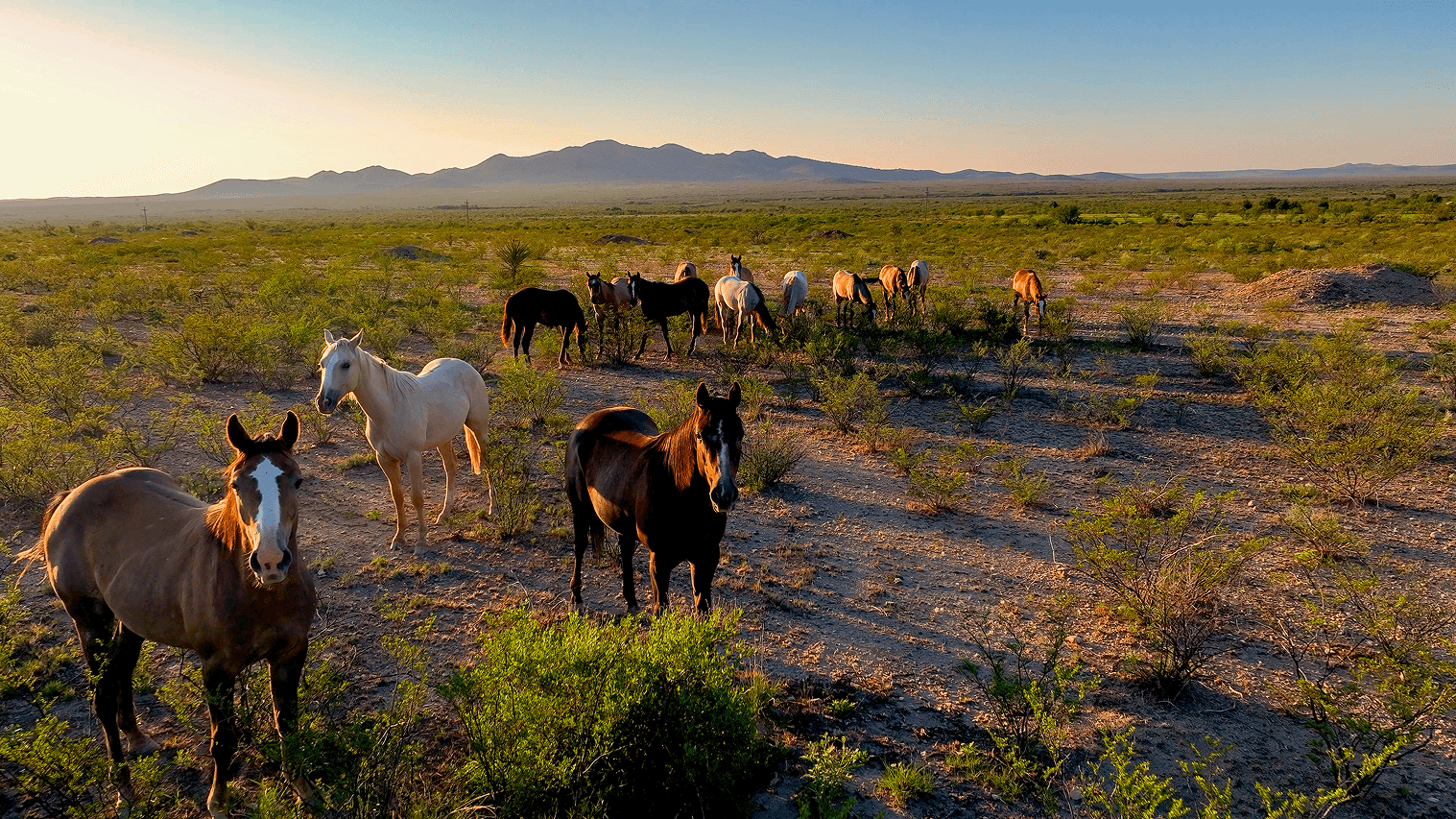
La Escalera Ranch horses graze the Sierra Madera impact basin
La Escalera Ranch horses graze the Sierra Madera impact basin
La Escalera Ranch horses graze the Sierra Madera impact basin
Ranch horses graze Sierra Madera basin
La Escalera Ranch horses graze the Sierra Madera impact basin
La Escalera Ranch horses graze the Sierra Madera impact basin
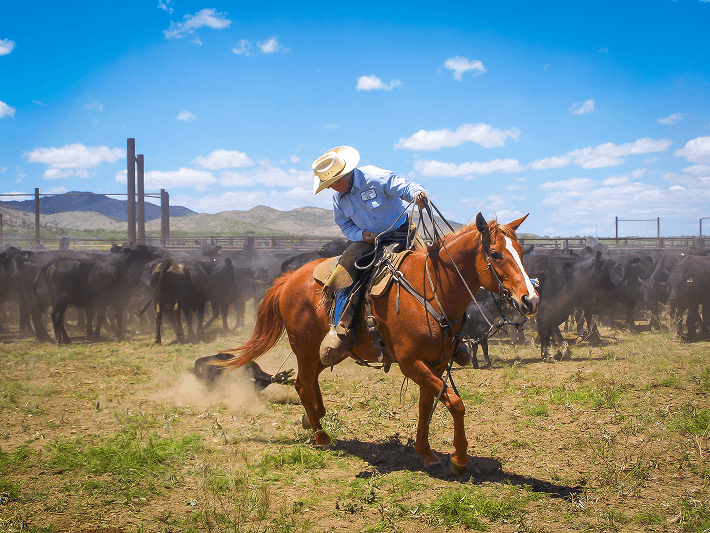
Gene Lyda works a calf
Gene Lyda works a calf
Gene Lyda works a calf
Gene Lyda works a calf
Horses
Horses
The horses at La Escalera are ranch-raised and ridden, built for long days working cattle in rough country. They’re used daily on the ranch, and some are offered for sale. For inquiries, visit La Escalera Quarter Horses on Facebook.
The horses at La Escalera are ranch-raised and ridden, built for long days working cattle in rough country. They’re used daily on the ranch, and some are offered for sale. For inquiries, visit La Escalera Quarter Horses on Facebook.
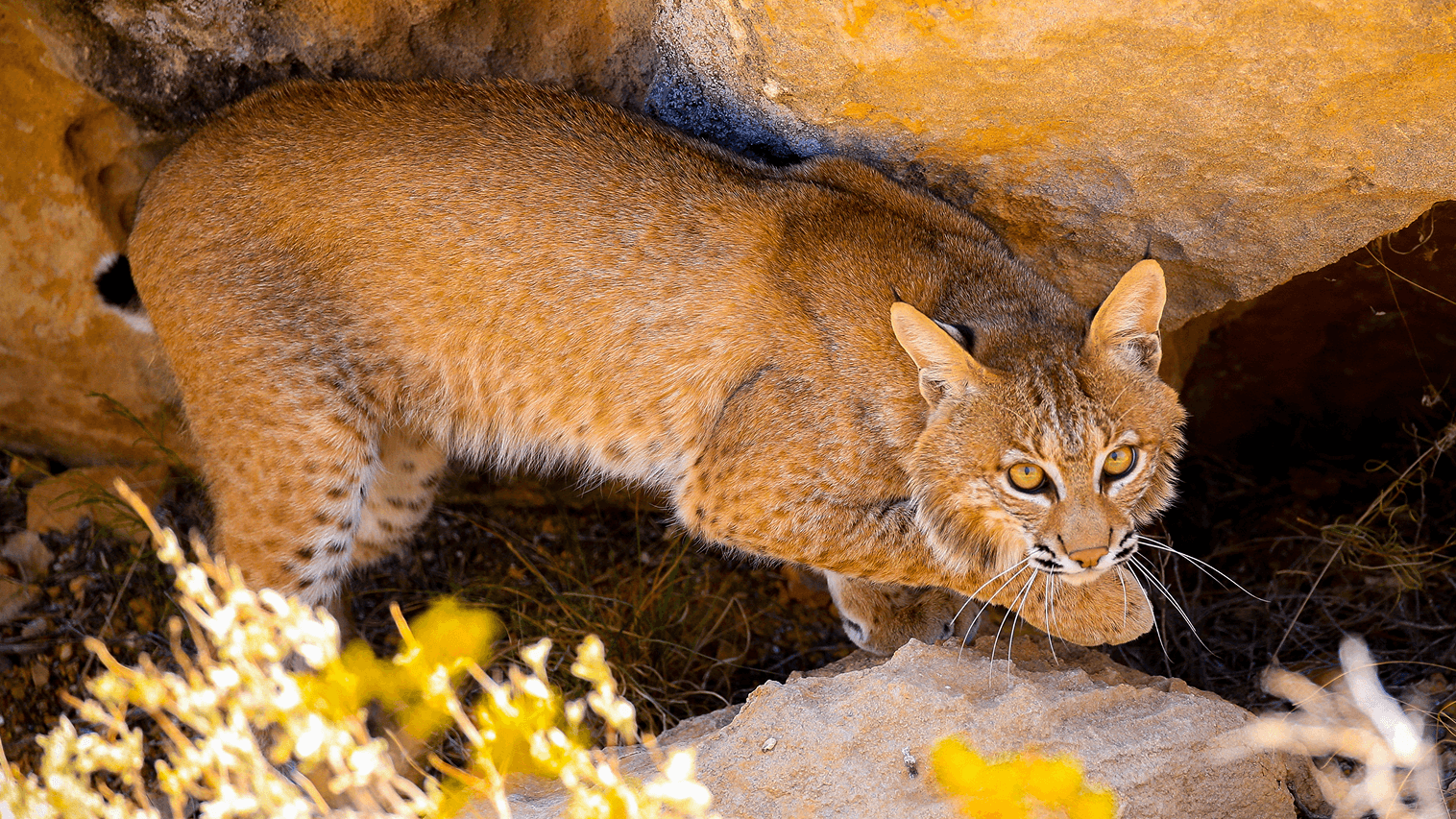
Curious bobcat at La Escalera
Curious bobcat at La Escalera
Curious bobcat at La Escalera
Curious bobcat at La Escalera
Wildlife
Wildlife
Wildlife remains an important part of the La Escalera landscape. The ranch supports whitetail & mule deer, pronghorn, elk, turkey, quail, dove and other species alongside the cattle operation. Land management practices such as brush control and water distribution also support wildlife habitat.
Wildlife remains an important part of the La Escalera landscape. The ranch supports whitetail & mule deer, pronghorn, elk, turkey, quail, dove and other species alongside the cattle operation. Land management practices such as brush control and water distribution also support wildlife habitat.
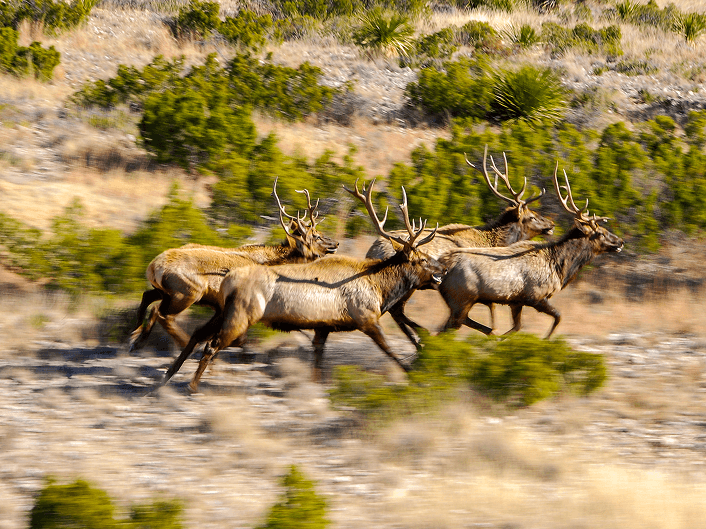
Elk run in the Glass Mountains
Elk at Glass Mountains

La Escalera livestock tank
La Escalera livestock tank

Cows get a cool drink
Cows get a cool drink
Cows get a cool drink

A resource in rugged country
A resource in rugged country
A resource in rugged country

La Escalera, Texas
La Escalera, Texas
Water
Water
Water
La Escalera has long relied on groundwater for its cattle operation. The ranch began studying the El Capitan Aquifer to better understand whether that water could also benefit the people of West Texas.
More than a decade ago, La Escalera commissioned an independent hydrogeological study of its aquifers. The study estimated average annual recharge (the water that naturally replenishes each year) at approximately 25,000 acre-feet. It also estimated the volume of groundwater stored beneath the ranch at hundreds of times that annual amount. The ranch shared these findings with regional water authorities to discuss possible uses beyond its boundaries.
Additional testing and monitoring, with appropriate oversight, are needed to better understand the aquifer’s recharge and capacity. La Escalera remains committed to taking care of the aquifer and to working with local and regional water authorities to evaluate whether, and under what conditions, it could help meet water needs in West Texas.
La Escalera has long relied on groundwater for its cattle operation. The ranch began studying the El Capitan Aquifer to better understand whether that water could also benefit the people of West Texas.
More than a decade ago, La Escalera commissioned an independent hydrogeological study of its aquifers. The study estimated average annual recharge (the water that naturally replenishes each year) at approximately 25,000 acre-feet. It also estimated the volume of groundwater stored beneath the ranch at hundreds of times that annual amount. The ranch shared these findings with regional water authorities to discuss possible uses beyond its boundaries.
Additional testing and monitoring, with appropriate oversight, are needed to better understand the aquifer’s recharge and capacity. La Escalera remains committed to taking care of the aquifer and to working with local and regional water authorities to evaluate whether, and under what conditions, it could help meet water needs in West Texas.
Copyright © 2026 | La Escalera Limited Partnership | All Rights Reserved.
Copyright © 2026
La Escalera Limited Partnership
All Rights Reserved
Copyright © 2026 | La Escalera Limited Partnership | All Rights Reserved
385 Marathon Highway PO Box 1553 | Fort Stockton, Texas 79735
385 Marathon Highway PO Box 1553
Fort Stockton, Texas 79735
385 Marathon Highway PO Box 1553 | Fort Stockton, Texas 79735